
Offshore wind benefits
The winds of opportunity
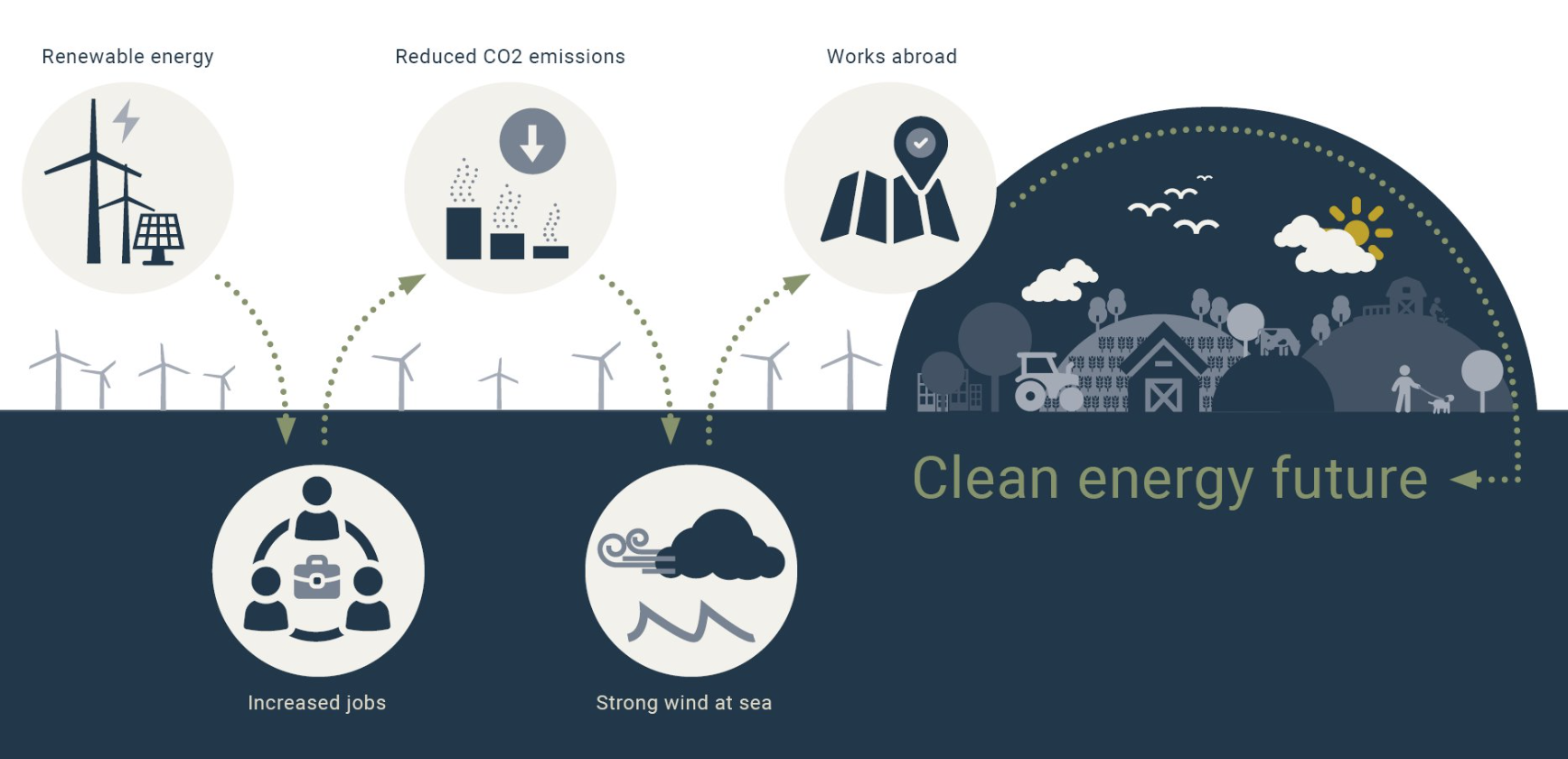
We’re excited by the lasting environmental, economic and social benefits offshore wind is set to deliver in Australia. Offshore wind is one of the fastest-growing renewable energy sources in the world, and Gippsland is ideally placed to lead the charge.
Why offshore wind?
- Meets future energy needs: As Australia transitions away from coal and gas, we need new, reliable sources of clean energy. Offshore wind one of many different energy solutions that will help fill that gap.
- Complements other renewables: Solar and onshore wind are great, but the sun doesn’t always shine, and the wind doesn’t always blow on land. Offshore winds are stronger and more consistent, especially in the afternoons and evenings when we use the most electricity.
- Delivers at scale: Offshore wind turbines are much larger and more efficient than those on land and can generate more power. That means fewer turbines can produce more electricity.
- Proven global technology: Offshore wind has been operating safely and reliably for over 30 years across more than 20 countries. 83 GW of total offshore wind capacity has been installed – enough to power 73 million households.
- Helps achieve climate goals: It’s a big part of reaching Australia’s net zero emissions target by 2050.
Why Gippsland?
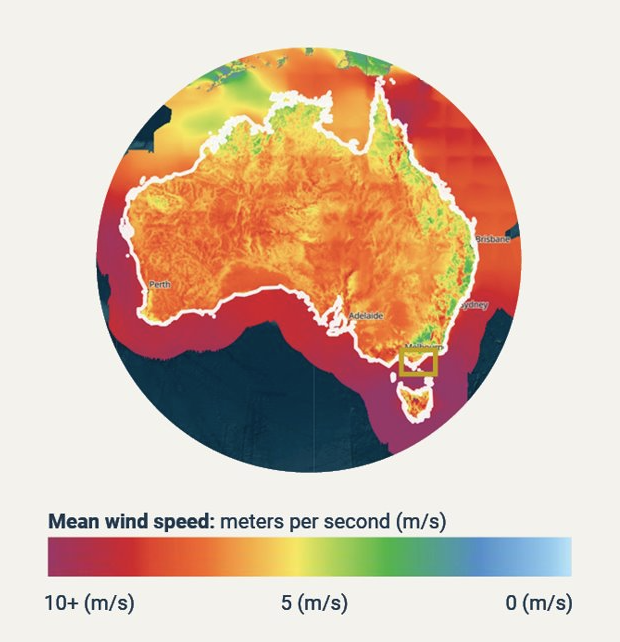
In December 2022, the Federal Government declared Gippsland as Australia’s first offshore renewable energy zone – one of six priority areas identified in Commonwealth waters for offshore wind development. Gippsland was selected for:
- Consistent, and high-quality wind
- Access to existing electricity infrastructure – such as transmission lines and sub-stations
- Proximity to Victoria’s energy demand centres
- Legacy of energy generation – Offshore wind will create new pathways for regional employment and support a transition for workers from traditional energy sectors
What is offshore wind energy?
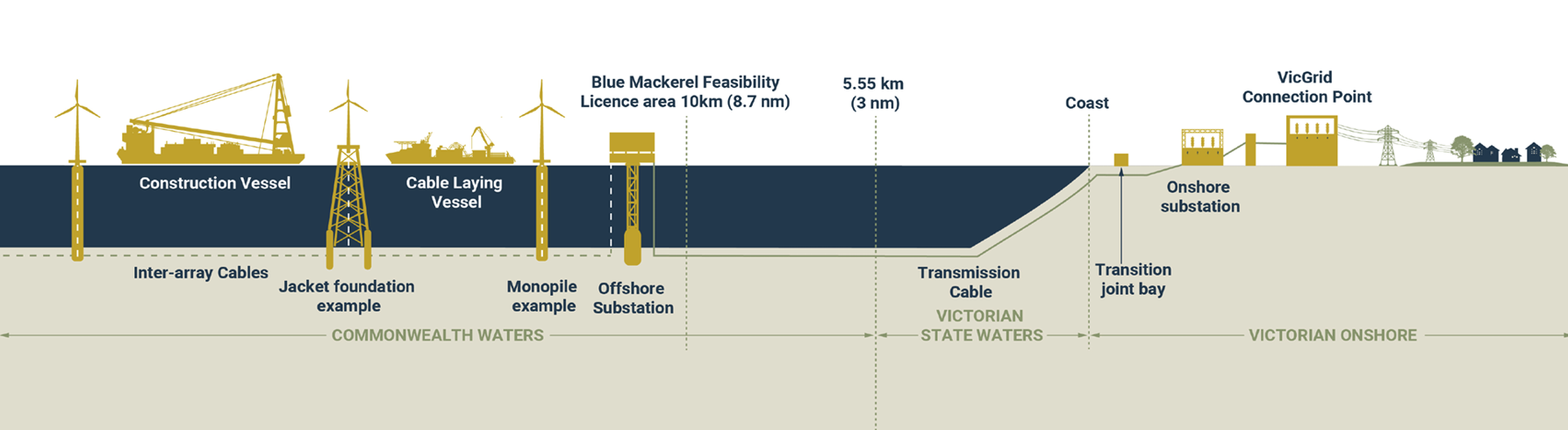
Offshore wind energy generates electricity from wind turbines in the ocean. These turbines capture wind energy and convert it into electricity, which is then transmitted to the shore via cables under the seabed.
This technology been used around the world since 1991 and increases globally year on year.
How does it work?
Offshore wind turbines work much like those on land. Their blades capture the energy of the wind, turning a rotor that drives a generator to produce electricity. This electricity is carried through subsea cables to an offshore substation, where the voltage is increased for efficient transmission. High-voltage undersea cables then deliver the power to an onshore substation, where the voltage is adjusted again so it can connect safely into the existing transmission network — supplying clean electricity to homes, businesses and industry.
Resources
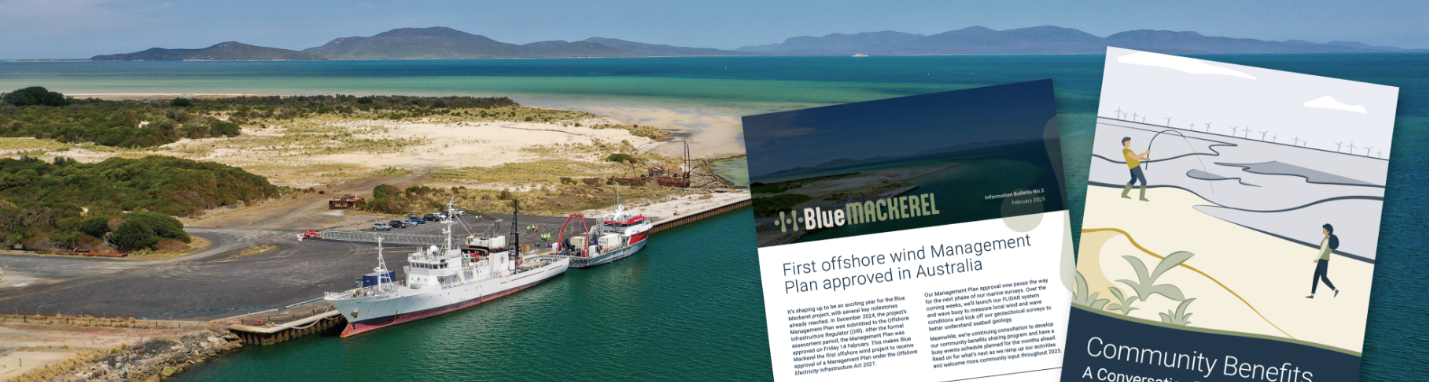
Find Blue Mackerel fact sheets, documents, Q+A, and other useful information.